
Cuban cigars are among the most counterfeited luxury tobacco products in the world.
In Australia—where Cuban cigars are rare, highly regulated, and heavily taxed—fake Cuban cigars are unfortunately common. For collectors, enthusiasts, and cigar historians, knowing how to identify authentic Cuban cigars is essential to avoid disappointment, health risks, and financial loss.
This guide explains how to tell real Cuban cigars from fakes in Australia, focusing on packaging details, official markings, craftsmanship, and provenance, without promoting illegal activity or unauthorized purchasing.
Why Fake Cuban Cigars Are Common in Australia
Cuban cigars are highly sought after because of their:
- Protected origin (Habano designation)
- Limited production
- Handcrafted process
- Historical prestige
In Australia, strict import rules and excise taxes make genuine Cuban cigars scarce. This creates a market where counterfeit products are often misrepresented as authentic, particularly online or through informal channels.
Understanding how real Cuban cigars are identified helps protect collectors and preserves the integrity of Cuban cigar heritage.
1. Check the Cuban Government Warranty Seal (Habanos Seal)
Every box of authentic Cuban cigars carries an official Habanos S.A. warranty seal issued by the Cuban government.
What to look for:
- A green warranty seal with fine micro-printing
- A unique alphanumeric code
- Clean edges and high-quality print (never blurry)
Newer seals include a QR code that links to Habanos’ official verification system. Fake cigars often reuse old seals, poorly printed stickers, or incorrect colors.
2. Examine the Box Serial Number & Factory Code
Authentic Cuban cigar boxes contain:
- A box serial number
- A factory code (3 letters)
- A date stamp (month/year of production)
These markings are stamped or printed neatly on the box—never handwritten.
Red flags:
- Missing codes
- Random or mismatched dates
- Inconsistent fonts or alignment
While collectors can research factory codes, counterfeiters often use incorrect or outdated combinations.
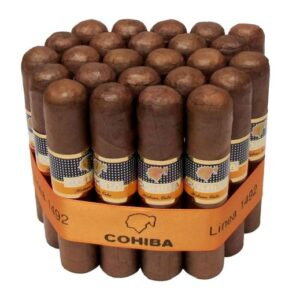
3. Inspect the Cigar Band (This Is Where Most Fakes Fail)
Cuban cigar bands are precision-printed using advanced printing techniques.
Authentic Cuban bands have:
- Crisp gold embossing
- Fine detail under magnification
- Consistent colour tones
- Correct spelling and accents
Fake bands often show:
- Flat gold colouring (no emboss)
- Misspellings
- Poor alignment
- Cheap paper or faded ink
Brands like Cohiba, Montecristo, Romeo y Julieta, and Partagás have extremely specific band designs that are difficult to replicate perfectly.
4. Feel the Construction & Tobacco Quality
Real Cuban cigars are:
- Hand-rolled using long-filler tobacco
- Firm but slightly springy when gently pressed
- Consistent in shape (no hard knots or hollow spots)
Counterfeits often use:
- Short-filler or mixed tobacco
- Uneven rolling
- Overly hard or spongy construction
Authentic Cuban wrappers are smooth, oily, and natural—never glossy or artificially shiny.
5. Smell the Cigar (Unlit Aroma Test)
Before lighting, authentic Cuban cigars have a distinctive natural aroma:
- Earthy
- Cedar-like
- Slightly sweet or spicy
Fake cigars may smell:
- Flat or musty
- Chemically treated
- Artificially flavoured
A strong chemical or perfume-like smell is a major warning sign.
6. Understand Cuban Cigar Packaging Standards
Authentic Cuban cigars are packaged in:
- Cedar wood boxes
- Precisely aligned rows
- Paper dividers or ribbons (brand-specific)
Packaging should never look rushed or sloppy. Poor presentation is one of the easiest ways to spot counterfeit Cuban cigars.
7. Be Wary of “Too Good to Be True” Claims
From an educational standpoint, collectors should know that:
- Authentic Cuban cigars are rarely deeply discounted
- Vintage or limited editions require documentation
- Mass availability is unusual
Claims such as “direct from factory,” “tax-free Cuban cigars,” or “cheap Cohibas” are common indicators of counterfeit products.
Australian Context: Why Verification Matters More Here
Australia has some of the strictest tobacco regulations in the world, including:
- Plain packaging laws
- Import documentation requirements
- High excise duties
Because of this, authentic Cuban cigars entering Australia follow specific compliance pathways, making undocumented products especially suspicious from a collector standpoint.
Final Thoughts: Knowledge Is the Best Protection
Identifying real Cuban cigars in Australia comes down to:
- Understanding official Cuban markings
- Knowing brand-specific details
- Recognising quality craftsmanship
- Staying informed about regulatory context
For collectors and cigar historians, learning these details preserves both personal investment and the legacy of Cuban cigar craftsmanship.